

Blog
Protecting Your Landscape Investment During Seasonal Transitions

The money and effort invested in a commercial or residential landscape represent a significant asset. Plants, trees, turf, and hardscape elements take time to establish and reach their full potential. Seasonal transitions, particularly the shifts from summer to fall and winter to spring, place enormous stress on these elements. Understanding what happens during these periods helps property owners take the right actions at the right time.
Understanding Plant Stress During Weather Shifts
Plants respond to environmental cues. When temperatures fluctuate wildly or precipitation patterns change abruptly, biological processes inside the plant struggle to keep pace.
During fall, plants begin preparing for dormancy. They redirect energy from top growth to root development and store carbohydrates in their tissues. A sudden warm spell followed by a hard freeze confuses this process. Tissues that have not fully hardened off suffer damage that may not become visible until the following spring.
Winter itself presents a different set of challenges. Evergreen plants continue to lose moisture through their leaves even when the ground is frozen. When the soil remains frozen for extended periods, roots cannot replace this lost moisture. The result is desiccation, or drying out, which causes browning and dieback.
Spring transitions are equally stressful. Plants that emerge from dormancy too early due to a warm spell remain vulnerable to late frosts. New growth is tender and susceptible to damage, which can stunt development for the entire growing season.
The key to protecting landscape investment is not to prevent stress entirely, but to manage the factors that determine how well plants withstand it.
Fall Preparation: Setting the Stage for Winter Survival
What happens in the fall directly determines how a landscape emerges the following spring. Several actions taken during this period make the difference between plants that struggle and plants that thrive.
Watering remains critical even as temperatures cool. Evergreens and newly planted trees benefit from deep watering in late fall before the ground freezes. This ensures soil moisture is available throughout winter. Dry soils going into winter leave plants with no reservoir of moisture to draw from during thaw periods.
Mulching serves a protective function beyond aesthetics. A fresh layer of mulch applied after the ground has begun to cool insulates the soil and moderates temperature fluctuations. It also helps retain soil moisture and prevent frost heaving, a condition in which repeated freezing and thawing push young plants out of the ground.
Cleanup matters for disease prevention. Removing fallen leaves and spent perennial foliage eliminates places where pests and fungal pathogens overwinter. This simple step reduces the population of problems that will emerge next season.
Avoid heavy pruning in late fall. Pruning stimulates new growth, and that growth will not have time to harden off before winter. Save major pruning for late winter or early spring when plants are fully dormant.
Winter Monitoring: What Happens Beneath the Snow
Winter is not a time to ignore the landscape entirely. Conditions change throughout the season, and some problems develop even when plants appear dormant.
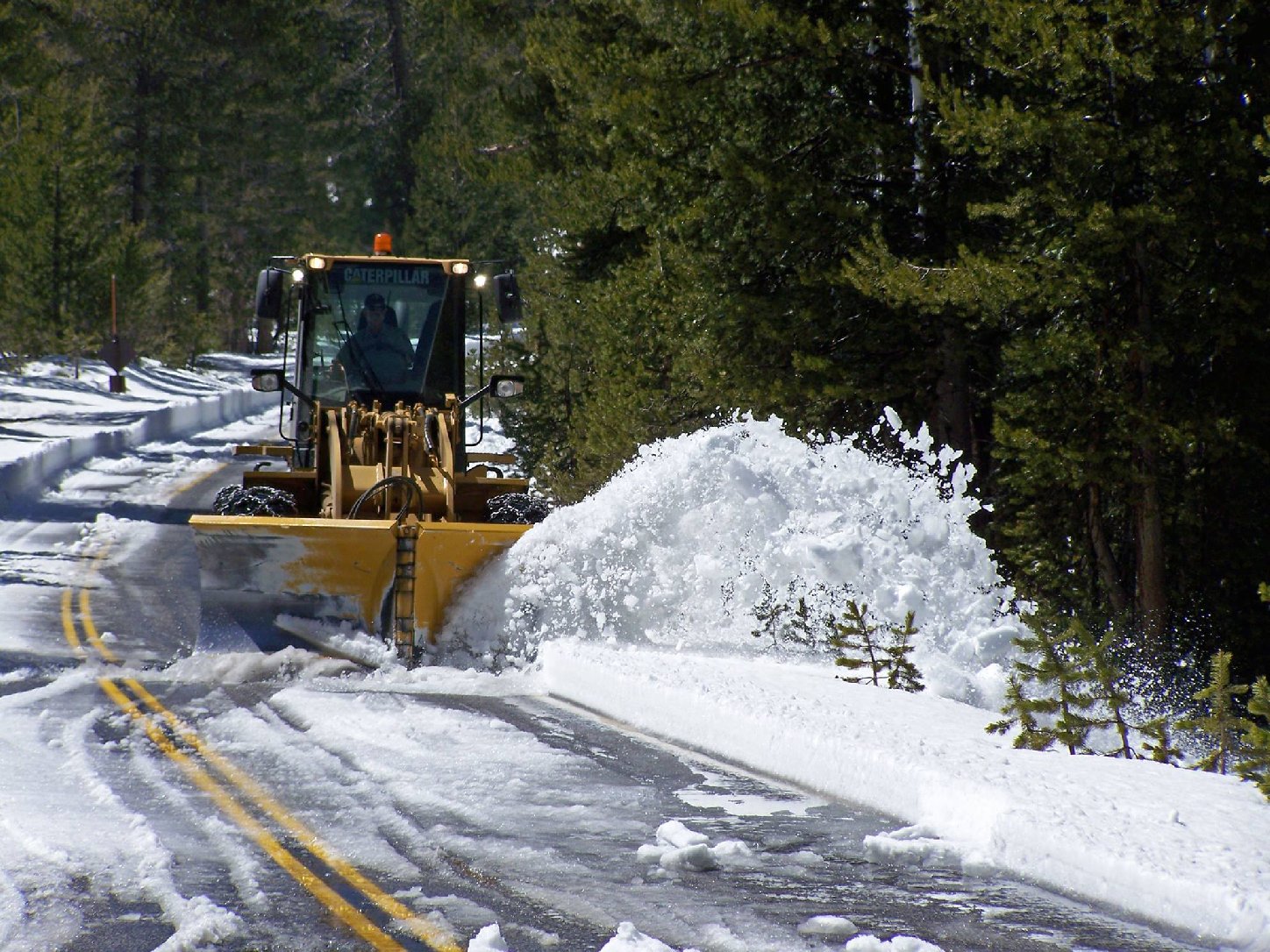
Snow cover provides excellent insulation for plant roots and crowns. A consistent snow cover maintains soil temperatures several degrees warmer than the air. Problems arise when snow is plowed or piled improperly. Snow dumped onto shrubs or landscape beds crushes branches and compacts soil. Establish clear snow storage areas that avoid sensitive plantings.
Animal damage increases during winter when food is scarce. Rodents and rabbits feed on bark and branches, often girdling young trees and shrubs. Protective wraps or fencing installed before winter prevent this damage. Check these protections periodically to ensure they remain in place and functional.
Heavy wet snow or ice accumulations break branches on trees and larger shrubs. When possible, gently brush snow from branches using upward strokes to reduce weight. Never shake branches or attempt to remove ice, as this causes more damage than the weight itself.
Monitor for salt damage along walkways and roads. Deicing salts splash onto adjacent plants or soak into soil, causing dehydration and root damage. Consider physical barriers like burlap screens in high-traffic areas to protect sensitive specimens.
Spring Transition: Assessing and Responding to Winter Impact
Spring is the season of revelation. The damage that occurred during winter becomes visible as plants begin to grow. A systematic approach to spring assessment ensures problems are addressed properly.
Wait for plants to show signs of life before making decisions about pruning or removal. Some plants leaf out later than others, and what appears dead in early spring may burst into growth by May. Patience prevents unnecessary removal of healthy plants that are simply slow to emerge.
When growth appears, assess for winter injury. Look for branch dieback, particularly on the windward side of evergreens, where desiccation is most severe. Prune dead material back to live tissue, making clean cuts that promote rapid healing. For plants with minor damage, this is often sufficient for recovery.
Check soil moisture as the ground thaws. Spring can bring either excessive moisture from snowmelt and rain or surprisingly dry conditions if winter precipitation was below normal. Adjust watering accordingly. Plants coming out of dormancy need consistent moisture to support new growth.
Inspect for frost heaving, particularly on shallow-rooted perennials and newly planted specimens. Plants pushed up out of the soil need to be reset gently and firmed back into place before roots dry out. Add a light layer of compost or soil around the base if settling has occurred.
Fertilization in spring should be timed carefully. Applying nitrogen too early pushes soft growth that remains vulnerable to late frosts. Wait until the danger of hard freezes has passed and plants have begun active growth before applying fertilizer.
Summer Preparation: Building Resilience for the Next Cycle
Protecting landscape investment is a continuous process. What happens during summer determines how well plants enter the next seasonal transition.
Deep, infrequent watering during summer encourages roots to grow deeper into the soil where they find more consistent moisture and insulation. Shallow frequent watering produces shallow roots that suffer more during temperature extremes.
Monitor for pests and diseases throughout the growing season. Stressed plants are more susceptible to both. Catching problems early allows for targeted treatment rather than a crisis response after significant damage has occurred.
Avoid unnecessary soil disturbance around trees and shrubs. Compaction from foot traffic or equipment damages root systems and reduces the soil’s ability to hold air and water. Protect root zones, particularly on mature trees, from activities that compress soil.
Proper mowing height for turf grass during summer heat helps it survive. Taller grass shades soil, reducing evaporation and keeping roots cooler. It also encourages deeper root growth that improves drought tolerance.
Practical Maintenance Calendar for Property Owners
A simple calendar helps organize seasonal landscape protection efforts without becoming overwhelming.
Late September through November
Water evergreens deeply before the ground freezes.
Apply fresh mulch after the soil cools.
Complete final mowing at the appropriate height for the grass type.
Remove leaves and spent vegetation.
Install protective wraps on young trees.
December through February
Monitor snow accumulation on shrubs.
Check animal damage barriers after storms.
Avoid walking on frozen turf when possible.
Note areas where ice damage or salt exposure occurs.
March through April
Assess plants as they begin growth.
Prune winter damaged branches once growth starts.
Check for frost heaving and reset plants.
Monitor soil moisture during spring dry spells.
Hold off on fertilization until frost danger passes.
May through August
Water deeply and less frequently.
Maintain mowing height for summer conditions.
Monitor for pests and diseases.
Protect root zones from compaction.
Plan fall improvements based on observations.
Long Term Perspective on Landscape Value
Landscapes are living systems that mature over years and decades. The most valuable landscapes are those managed with consistency and patience rather than reactive measures.
Plants that receive appropriate care through seasonal transitions develop stronger root systems, more resilient tissues, and better tolerance for environmental stress. They require less intervention over time and deliver greater aesthetic and functional value.
Property owners who understand the cycles of plant growth and dormancy make better decisions about when to act and when to wait. They recognize that visible damage does not always mean plant death, and that healthy growth in spring depends on actions taken the previous fall.
Protecting landscape investment is not about preventing every problem. It is about building enough resilience into the system that occasional weather extremes do not undo years of progress. Each seasonal transition presents an opportunity to strengthen that resilience through informed, timely action.