

Blog
Preparing Commercial Properties for Winter: A Timeline for Facility Managers

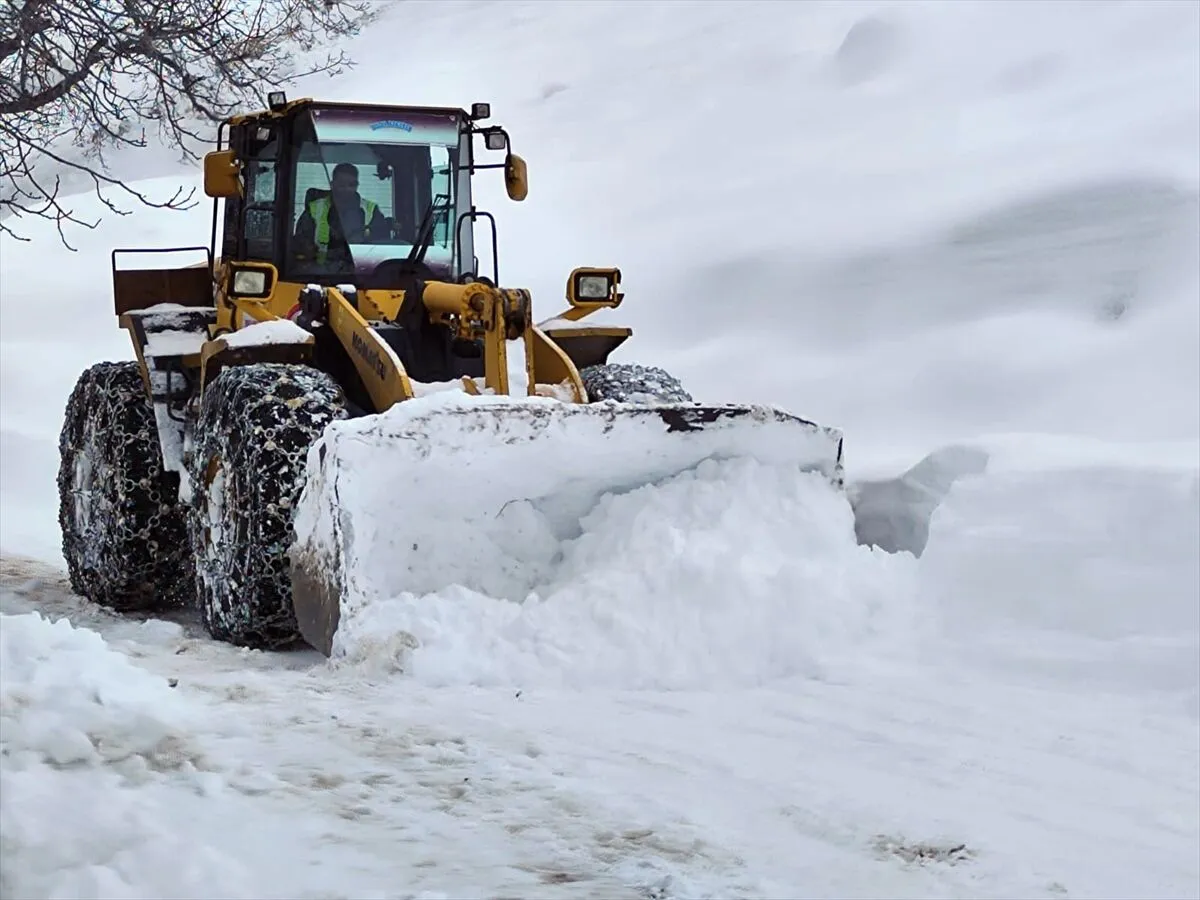
Winter weather presents predictable challenges for commercial properties. Facility managers who approach the season with a structured timeline reduce emergency situations, protect assets, and maintain safer environments for tenants and visitors. The following timeline outlines key actions to take in the months leading up to the drop in temperatures.
September: Conduct a Comprehensive Property Assessment
The most effective winter preparations begin before the first forecasted storm. September offers ideal conditions to evaluate the current state of your property and identify vulnerabilities.
Start with a walking inspection of all paved surfaces. Look for existing cracks, potholes, or uneven areas in parking lots and walkways. Water that enters these gaps during the fall freezes and expands, making damage significantly worse by spring. Document any areas that may require repair or marking with safety cones once snow begins to accumulate.
Inspect your drainage systems thoroughly. Clear all catch basins, gutters, and downspouts of leaves and debris accumulated during late summer. Proper drainage prevents water from pooling in areas where it can freeze into ice hazards. Pay special attention to low-lying areas near building foundations and building entrances.
Review your snow response plan from the previous year. Identify any recurring issues, such as delayed response times, trouble spots where snow accumulated deeply, or communication breakdowns with your service providers. Use these observations to refine your approach for the coming season.
Verify that all exterior lighting is functioning properly. Well-lit properties are safer during shorter daylight hours and enable snow removal crews to work more effectively during early-morning or evening operations.
October: Secure Contracts and Review Operational Plans
October is the deadline for finalizing winter service agreements. Waiting until snow is in the forecast limits your options and often results in rushed decisions.
Contact your snow and ice management provider to review this year’s contract. Confirm that the scope of work matches your current property layout and that pricing terms are clearly defined. Discuss any changes to your property since last winter, such as new landscaping, expanded parking areas, or construction projects that may affect access.
Establish clear communication protocols with your provider. Determine who will authorize service calls, how you will receive notifications when crews are dispatched, and what the protocol is for after-hours communication. Having these details documented prevents confusion during early morning storms.
Create a site map for your service provider if one does not already exist. Mark critical areas such as fire lanes, emergency access routes, handicapped parking spaces, loading docks, and walkways that require priority clearance. Indicate locations of hydrants, valves, and any obstacles that equipment operators need to avoid.
Order winter supplies if your facility handles its own walkway maintenance. This includes ice melt products, shovels, and spreaders. Store these materials in a dry, accessible location where they will not freeze before use.
November: Equipment Preparation and Team Briefings
November is the month for final operational readiness. Whether your internal team handles maintenance or you rely on external providers, verification of equipment and personnel readiness is essential.
If your property uses on-site staff for winter tasks, conduct equipment inspections now. Start snow blowers, test spreaders, and check that all vehicles have appropriate tires and emergency kits. Repair or replace any equipment that shows signs of wear before the first storm arrives.
Schedule a preseason meeting with your maintenance team or service provider. Review the response plan step by step, confirming that everyone understands their role during a weather event. Discuss shift schedules for overnight and weekend storms to ensure adequate coverage.
Inspect all winter marking equipment. Replace broken delineators, order additional property markers if needed, and ensure that stakes marking curbs, islands, and other hazards are visible and securely placed. Proper marking prevents damage to both vehicles and property during snow removal.
Check your ice melt inventory and confirm that the product type matches your surface requirements. Different products perform best at different temperatures, and some can damage concrete or plants if used improperly. Verify that storage areas remain dry and that bags do not cake or harden.
December Through March: Execute and Document
Once winter arrives, consistent execution and documentation become the priority. Even the best plans require adjustment as conditions change.
Maintain a log for each winter weather event. Record when precipitation began and ended, estimated accumulation amounts, temperatures during and after the storm, and the time your response team arrived. Note any issues that arose and how they were resolved. This documentation is valuable for reviewing performance at the end of the season and for addressing any questions from tenants or insurance providers.
Conduct brief inspections after each storm once clearing is complete. Look for areas where ice may have formed despite treatment, places where snow was piled in ways that block sight lines or drainage, and any damage to pavement or landscaping caused by equipment. Address these findings promptly rather than waiting for the next storm.
Communicate with tenants and occupants about your winter maintenance efforts. Post notices about temporary snow storage areas, remind everyone to clear vehicle windows completely before driving, and provide updates during significant storms. Clear communication reduces frustration and helps everyone understand the work being done.
Monitor weather forecasts continuously, but avoid overreacting to every mention of snow. Your response plan should include clear thresholds that trigger different levels of action, from pretreatment to full-scale plowing. Following a consistent protocol saves resources while maintaining safety.
Preparing for Spring Transition
Winter preparations should include an exit strategy. As the season winds down, plan for the transition back to regular property maintenance.
Schedule a final walkthrough with your service provider in late winter to assess any damage caused by freezing, thawing, or snow removal equipment. Document areas needing repair so work can begin as soon as temperatures allow.
Review your winter log and identify any patterns or recurring issues. Use this information to refine next year’s timeline and make the process even more efficient.
By following a structured timeline, facility managers approach winter with confidence rather than uncertainty. Each step builds on the previous one, creating a comprehensive strategy that protects property, maintains safety, and supports uninterrupted operations throughout the coldest months.